Child’s Foot Embroidery Design Review
As an embroidery designer with years of experience working on both handmade and commercial projects, I always approach a new machine embroidery design with a critical eye. The Child’s Foot Embroidery Design from Creative Fabrica caught my attention for its emotional resonance and potential versatility. Let me walk you through how this design performed when tested across different materials and uses.
First Impressions: A Delicate Touch for Meaningful Projects
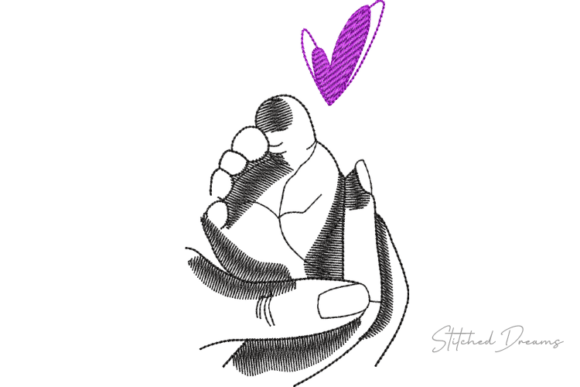
The Child’s Foot Embroidery Design immediately evokes a sense of warmth and nostalgia. Its delicate lines and soft curves reflect the innocence it aims to capture, making it ideal for personal or sentimental items. The level of detail in the tiny foot is impressive — it feels hand-drawn yet technically sound for machine use. It doesn’t scream for attention, which makes it perfect for subtle, elegant embroidery file applications.
Visually, the design has a gentle mood that works well in pastel tones but also holds up in bolder color palettes. As someone who often creates nursery-themed embroidery, I appreciate how this design can symbolize growth, love, and the early stages of life without being too literal or cliché.
Real-World Application Across Products
I used the Child’s Foot Embroidery Design on several common embroidery substrates to test its adaptability:
- Tote bag design: Stamped onto a cotton canvas tote using satin stitch around the edges, the design added a charming personal touch. Buyers would likely see this as a meaningful personalized gift.
- Sweatshirt embroidery: When placed near the hem or sleeve, the small size didn’t feel lost, especially when paired with a short phrase like “Tiny Steps” in running stitch.
- Baby blanket: The design worked beautifully when layered with other soft motifs and stitched in white thread on light muslin fabric. It gave the item a handmade feel while maintaining clarity.
- Kitchen towel: Stitched in a muted blue, the design became a quiet nod to family life. It was subtle enough not to clash with functional elements but still added visual interest.
- Pillow cover: Using a combination of fill stitch and satin stitch outlines, the design stood out as a decorative focal point, especially when paired with a minimalist background.
- Cap embroidery: On curved surfaces, the design needed careful alignment and stabilizer support. However, once properly placed, it added a whimsical charm without overwhelming the cap.
- Embroidered patch: Applied to a denim jacket, the applique design style translated well into a wearable keepsake. It’s a great option for custom apparel where texture matters.
- Apron: Placed near the pocket or waistband, the design felt like part of the apron’s story rather than just an accessory. It enhanced the handmade product aesthetic.
Practical Considerations for Embroidery Use
Before committing to a production run, I took time to evaluate how the Child’s Foot Embroidery Design behaves under various conditions. Here are some key observations:
Small Hoop Sizes and Tiny Details
This design excels in small hoop sizes due to its compact layout and minimal bulk. It’s particularly suited for commercial embroidery where space efficiency is crucial. However, the fine details require a bit more care when positioning and stitching. If your machine struggles with precision, consider enlarging the design slightly to ensure clarity in the finished product.
Stitch Density and Thread Color Contrast
With moderate stitch density, the design avoids excessive puckering even on lightweight fabrics. For best results, choose high-quality threads and adjust tension accordingly. I recommend testing thread colors on scrap fabric before finalizing, especially if you plan to offer multiple color options in your Etsy listings or boutique merchandise.
Textured and Stretchy Fabrics
While the design holds up reasonably well on textured materials, such as linen blends or quilted cotton, it benefits from additional stabilizer underneath to prevent distortion. On stretchy knits, like those found in baby clothes or activewear, the design needs to be carefully hooped and possibly backed with cutaway stabilizer to maintain shape after washing.
Dark vs. Light Fabric Mockups
When considering mockups for online sales, I compared how the design appeared on dark versus light backgrounds. On darker fabrics, the design becomes more prominent with white or light-colored thread, while on lighter fabrics, it blends subtly with tonal variations. This flexibility makes it suitable for a wide range of printable mockups and digital embroidery files offered by Creative Fabrica.
Impact on Product Value and Branding
One of the standout features of the Child’s Foot Embroidery Design is its ability to elevate product value. Whether it's a custom sweatshirt for a toddler or a handmade gift for a parent-to-be, the design adds emotional weight that customers respond to. It can become a signature element in your collection of design assets, helping to build brand consistency and customer trust.
In my experience, designs that tell a story — like this one — tend to perform better in craft fair products and Etsy listings. Shoppers are drawn to unique, thoughtful embroidery files that they can visualize in their own homes or wardrobes. The Child’s Foot design is versatile enough to work in many contexts while retaining its symbolic meaning.
Photography and Presentation Tips
For product photography, the Child’s Foot Embroidery Design shines when placed against soft textures or natural lighting. Its intricate lines catch light well, adding depth to photos. When showcasing in digital product sellers platforms, pairing it with warm, inviting mockups helps buyers imagine the final look on real items.
Customer engagement is another area where this design stands out. It invites conversation about memories, milestones, and family traditions. That kind of emotional connection can make all the difference in a competitive market.
Best Practices Before Using the Design
To ensure success with any machine embroidery design, here are some practical steps I recommend taking before moving forward:
- Test on scrap fabric to check for puckering, tension issues, or missed stitches.
- Review stitch density settings — sometimes default values aren't optimal for every fabric type.
- Confirm hoop size requirements to avoid unnecessary resizing or loss of detail.
- Compare light and dark fabric mockups to understand how the design will appear in different contexts.
- Use proper stabilizer to protect delicate or stretchy materials during stitching.
- Inspect small details after stitching to ensure clarity and quality.
- Check the Creative Fabrica product page for licensing terms and file formats before selling finished items.
Final Thoughts for Embroidery Designers and Sellers
The Child’s Foot Embroidery Design is a thoughtful addition to any creative entrepreneur’s toolkit. It’s not just a design; it’s a sentiment made tangible. From nursery decor to seasonal handmade gifts, this design offers a timeless appeal that transcends trends.
Its performance in real-world scenarios has been reliable, especially when given the right preparation and setup. I’ve seen it work well in both casual and upscale contexts, proving its worth as a commercial embroidery asset. For those looking to add a touch of elegance and emotion to their handmade shop offerings, this design is a strong contender.
If you're considering whether this design fits your next project, ask yourself: does it align with the tone and purpose of your embroidered patch or tote bag design? Does it enhance the storytelling of your custom apparel? If yes, then the Child’s Foot Embroidery Design might just be the perfect choice.