Cute Skunk Embroidery Review: A Playful Design for Real Projects
As an experienced embroidery designer and product reviewer, I’ve had the chance to test countless machine embroidery designs across various projects. When I first saw Cute Skunk Embroidery, it struck me as a charming, whimsical addition to children’s apparel or casual handmade items. But beyond the initial appeal, what really matters is how well it translates from digital file to finished product—especially when you're crafting for clients or preparing inventory for your Etsy shop or boutique.
First Impressions: Sweet, Whimsical, and Kid-Friendly
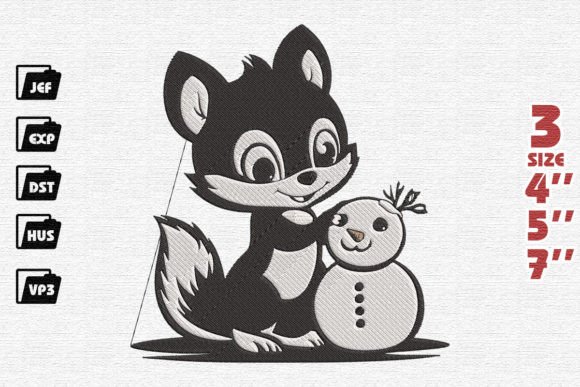
The Cute Skunk Embroidery design immediately evokes a sense of playfulness and innocence. The skunk is stylized in a way that softens its natural features, giving it a cartoonish yet endearing look. It's not too detailed, which is great for embroidery purposes, but just enough to be visually engaging. The layout is compact and centered, making it ideal for smaller areas like onesies, hats, or tote bags. Its visual personality fits perfectly within the Baby Animals category—sweet, approachable, and a little mischievous.
I can already imagine this design on a baby sweatshirt or a custom nursery pillow cover. The simplicity of the lines and the use of negative space help keep the overall stitch count manageable, while still allowing room for creative color choices. This makes it versatile for both personal and commercial embroidery projects.
Real-Life Use Scenarios
Let’s walk through some real-world applications. For a custom embroidered tote bag design, the skunk would serve as a delightful focal point. Placed near the top handle area, it adds a touch of character without overwhelming the garment. If I were designing a sweatshirt embroidery for a kids’ line, this could easily become a signature motif, especially for seasonal collections or holiday gifts.
For handmade products, like aprons or tea towels, the skunk’s playful nature brings a warm and inviting feel. In a nursery decor project, such as a wall hanging or blanket, the design could be paired with other animal motifs to create a cohesive theme. And let’s not forget about embroidered patches—this design has potential there too, particularly if you’re creating collectibles or adding charm to denim jackets or backpacks.
Customer Reactions and Marketability
One of the key things I consider when evaluating a design is how customers will respond. Cute Skunk Embroidery has a strong giftability factor. Parents love cute, simple designs for their babies, and this one hits all the right notes. Kids are also more likely to show off something they find fun and familiar. Whether it's a personalized gift or part of a small shop product line, this design can increase buyer engagement and add value to your offerings.
In terms of brand consistency, the skunk’s rounded edges and soft colors align well with a handmade aesthetic. If your craft business leans toward whimsical, hand-stitched looks, this design will fit right in. It’s also a good candidate for printable mockups and digital embroidery files used in online listings, helping buyers visualize the final product before purchasing.
Design Considerations for Practical Use
While Cute Skunk Embroidery is undeniably adorable, its practicality depends heavily on the fabric and application method. Here are some important factors to consider:
- Small Hoop Sizes: The design is compact, but always confirm the exact dimensions and recommended hoop size. If it's intended for a cap or small patch, make sure the details won’t get lost in translation.
- Fabric Texture: On textured fabrics like flannel or corduroy, the stitching may not lay as smoothly. Test it out before mass production.
- Thin or Stretchy Fabrics: Delicate materials might struggle with dense stitch areas, so adjust stitch density or stabilize carefully.
- Dark Fabric Backgrounds: Thread contrast is essential. While the design uses multiple thread colors, some shades may not pop as well on darker bases. Try using white or light-colored threads on black t-shirts for better visibility.
- Curved Surfaces: The skunk’s head and tail curves may require special attention when embroidering on curved areas like caps or sleeves. Always check how the design stretches or distorts in these spaces.
Stitch Clarity and Detail Handling
When I stitched the skunk onto a sample cotton tee, the satin stitch around the face and body was clean and well-defined, even without adjusting the tension much. However, the whiskers and tiny facial features were a bit delicate. These parts may need extra care during the setup phase—using a stabilizer behind the fabric helped prevent puckering and ensured sharper definition.
If you're working with fill stitch or running stitch elements, review the stitch density settings to avoid overstuffing the fabric, especially if you plan to use it on frequently washed items like baby onesies or kitchen towels. Too much density can lead to stiffness or cracking over time.
Where to Use It—and Where to Be Cautious
Here’s my take on where this design shines and where it needs a second glance:
Best Uses
- Baby Onesies: The design’s gentle curves and lack of aggressive stitches make it ideal for soft, wearable baby items.
- Custom Apparel: Think kids’ t-shirts or jackets—anywhere a sweet, memorable graphic is needed.
- Tote Bags & Aprons: A bold placement on a cotton tote or linen apron gives a charming, handmade vibe.
- Holiday Embroidery: As a standalone design or part of a themed set, it works well for Christmas, birthdays, or Easter gifts.
- Etsy Listings & Boutique Branding: Use it as part of your design assets to build a consistent, kid-friendly brand identity.
Use With Caution
- Very Small Hoops: Some of the finer details may not hold up at reduced sizes. Always test scaling before finalizing any embroidery project.
- Stretchy or Thin Fabrics: Without proper stabilization, the design may distort or cause the fabric to pucker.
- Dark or Busy Backgrounds: The colors may lose impact. Consider using high-contrast thread combinations or placing it against lighter sections of the garment.
- Products That Require Frequent Washing: Dense stitch areas can stiffen over time. Opt for lighter fill or satin stitch settings to maintain flexibility.
Designer Notes for Implementation
Before jumping into production, here are some practical tips I follow when integrating Cute Skunk Embroidery into a project:
- Test on scrap fabric to see how the design behaves with your machine and thread.
- Check thread color contrast to ensure visibility on different backgrounds.
- Review the stitch density and adjust if necessary for your specific fabric type.
- Confirm the recommended hoop size to avoid distortion or missed stitches.
- Inspect small details like eyes or whiskers to ensure they remain clear after stitching.
- Create black and white mockups to see how the design holds up without color.
- Compare the design on both light and dark fabric backgrounds for optimal placement.
- Use the appropriate stabilizer depending on the material—cutaway or tear-away can make a big difference in quality.
- Always verify whether the design is suitable for commercial embroidery and confirm licensing if you plan to sell finished items or digital embroidery files.
Visual Appeal Meets Stitch Quality
This design doesn't scream complexity, but that's exactly what makes it effective. It maintains a balance between visual appeal and stitch clarity. As a designer, I appreciate that it doesn’t rely on intricate patterns or tiny lettering to convey its message. Instead, it uses shape and proportion to stand out—key qualities for a successful embroidery file in both personal and professional settings.
On finished products, the skunk adds a subtle yet noticeable charm. It elevates the perceived product value and contributes to a higher level of professionalism in your work. Customers often associate well-executed embroidery with quality craftsmanship, so getting the basics right with this design can significantly boost customer trust.
Final Thoughts
Cute Skunk Embroidery is a solid choice for designers looking to add a touch of fun to their handmade product lineup. Its adaptability to different projects—from custom apparel to holiday gifts—makes it a valuable asset in any embroidery library. Just remember to tailor the setup to the specific item and fabric, and always do a test run before moving into full-scale production.
Whether you're an Etsy seller or a creative entrepreneur building a new line of kids’ apparel, this design has the potential to become a favorite among your buyers. Keep the tips above in mind, and you’ll be able to maximize the design’s strengths while avoiding common pitfalls.