★★★★☆4.4(239 reviews)
Mushroom Plant Embroidery Review for Business Use
First Impressions of Mushroom Plant Embroidery
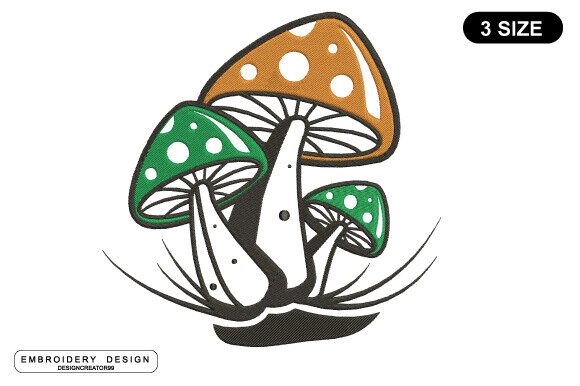
The Mushroom Plant Embroidery design immediately gives off a sense of natural charm and subtle sophistication. It feels like something that could easily blend into the aesthetic of a cozy café, a boutique flower shop, or a handmade lifestyle brand. The name "Mushroom Plant" evokes imagery of earthy tones, organic shapes, and quiet beauty—perfect for businesses looking to add a touch of rustic elegance or whimsical flair to their merchandise. From the product description, it’s clear that this is a versatile machine embroidery design intended for a variety of fabrics and applications. While it mentions items like pillows and towels, we as embroidery designers know that its potential extends far beyond home décor. For small business owners seeking to elevate their brand identity, this design can serve as a meaningful visual anchor when used thoughtfully in custom apparel, branded patches, or even on product packaging.Real-World Applications for Small Businesses
When evaluating how well the Mushroom Plant Embroidery works for small business merch, several key use cases stand out:- Embroidered Patches: This design makes an excellent patch for denim jackets, backpacks, or staff uniforms. Its soft curves and nature-inspired motifs translate well into appliqué-style work, especially if your brand leans toward eco-friendly or artisanal values.
- Chest Logo Accents: If you're looking to create a subtle yet memorable logo area on t-shirts or work shirts, this design functions well as a secondary accent rather than a primary logo. It adds character without overwhelming the garment.
- Sleeve Details: The design's gentle outlines are ideal for adding texture and interest to the sleeves of aprons or casual wear. It brings a decorative touch without being too busy.
- Cap Embroidery: On baseball caps or bucket hats, the Mushroom Plant Embroidery can be positioned on the back or side panels to maintain balance. A front placement should be approached with caution due to size constraints.
- Tote Bag Design: Whether embroidered on the front pocket or as a central motif, this design complements tote bags made from cotton or linen. It aligns well with brands that emphasize sustainability and simplicity.
- Apron Embroidery: For bakery aprons or boutique uniform sets, the design adds a handmade feel that resonates with customers who appreciate thoughtful craftsmanship.
- Product Packaging Accents: When stitched onto fabric-based packaging or reusable bags, it reinforces brand recognition while enhancing the perceived value of the product.
- Boutique Merchandise: From custom tea towels to aprons, this design supports the creation of cohesive design assets that reflect a unified brand personality.
- Customer Gifts & Event Merch: As part of a giveaway or event swag item, the Mushroom Plant Embroidery adds a personal, creative touch that differentiates your brand from mass-produced alternatives.
- Etsy Branding & Craft Business Assets: Handmade shops and Etsy sellers will find this design useful for labeling products, creating branded tags, or adding unique embellishments to handbags and pouches.
- Commercial Embroidery Projects: With the right preparation, this design can scale well for production runs. Just ensure the file is compatible with your machines and properly optimized for stitch density and thread tension.
Where to Use Mushroom Plant Embroidery Carefully
While the Mushroom Plant Embroidery is a beautiful and adaptable design, there are specific scenarios where extra attention is required to ensure quality and clarity:- Small Patch Sizes: If using it as a patch under 2 inches, some fine details may get lost. Consider simplifying the design or adjusting the scale before finalizing production.
- Cap Fronts: Due to the limited space and curved surface, placing the design at the front of a cap may distort its appearance unless carefully hooped and tested.
- Curved Surfaces: The mushroom shape works well on curves, but intricate elements might not hold up as cleanly. Always test stitch placement and tension on actual materials.
- Tiny Lettering: If the design includes text (not mentioned in the product), avoid using very small fonts that may become illegible after embroidery.
- High Stitch Density: Some parts of the design may require more stitches than others, which can lead to puckering or stiffness if not managed with proper stabilizer and fabric choice.
- Detailed Outlines: Ensure that the design's lines remain crisp by selecting the right thread colors and maintaining consistent tension across all color changes.
- Textured Fabric: On surfaces like canvas or burlap, the design may lose some definition. Smooth, medium-weight cotton blends tend to show off the embroidery best.
- Dark Uniforms: Thread visibility is crucial. If your uniforms are dark-colored, choose light thread shades to make the design pop and remain legible.
- Frequent Washing: For items like aprons or tote bags that see regular use, ensure the design is stitched securely and uses high-quality threads to prevent fraying or fading over time.
Impact on Brand Identity and Customer Engagement
Integrating the Mushroom Plant Embroidery into your brand identity can help communicate a message of warmth, creativity, and connection to nature. The design’s organic form supports handmade presentation and can be particularly effective for businesses in the food, wellness, or craft industries. A well-placed embroidered detail can significantly enhance customer trust and engagement. People associate quality stitching with professionalism and care, both of which are vital for building brand loyalty. The design also contributes to visual consistency across multiple product types—whether it's a coffee sleeve label or a tote bag, having the same motif reinforces your brand’s signature look. Moreover, the Mushroom Plant Embroidery offers a premium feel that elevates the product value. Even simple items like aprons or gift tags can appear more refined with this thoughtful addition, making them more appealing to buyers who prioritize aesthetics and authenticity.Designer Notes: Practical Tips for Implementation
As a professional embroidery designer, here are some key considerations before using the Mushroom Plant Embroidery for commercial purposes:- Test in Black and White First: Before committing to full-color embroidery, test the design in monochrome to assess contrast and overall impact on fabric.
- Check Small Patch Size Compatibility: If planning to use it on small items like buttons or labels, confirm whether the design remains clear and proportional at reduced dimensions.
- Review Thread Color Contrast: Choose thread colors that align with your brand palette and provide sufficient contrast against the background fabric.
- Inspect Spacing and Proportions: Ensure that the design isn’t overcrowded or stretched unnaturally. Proper spacing between elements keeps it visually balanced.
- Confirm Hoop Size Requirements: Since hoop sizes vary by machine and design complexity, double-check the recommended size to avoid distortion or shifting during stitching.
- Test on Real Fabric: Always do a trial run on the exact material you plan to use. This helps identify issues like tension problems or fabric stretch that might affect the final outcome.
- Use Appropriate Stabilizer: Especially important for delicate or stretchy fabrics. A good stabilizer prevents puckering and maintains the design’s integrity.
- Create a Printable Mockup: Share a digital mockup with clients to visualize how the design looks on real-world items before moving to production.
- Compare Beside Other Design Assets: Make sure the Mushroom Plant Embroidery complements your existing logos, fonts, and color schemes for a cohesive brand identity.
- Confirm Commercial Licensing: Always verify the licensing terms of the digital embroidery file before using it in any commercial embroidery project to avoid legal complications later.
Final Thoughts
The Mushroom Plant Embroidery is more than just a pretty floral pattern—it's a strategic asset for small businesses aiming to strengthen their brand presence through embroidered merchandise. Its natural, inviting look fits well within a range of Single Flowers and plant-themed designs, making it suitable for a wide array of industries from cafés to pet brands. However, like any embroidery file, it requires careful handling and consideration of context. Used correctly, it can contribute to a strong, recognizable brand identity, increase customer engagement, and add a layer of professionalism to your handmade products. Before purchasing or downloading the digital embroidery file, always review the design specs, check compatibility with your equipment, and test it on sample materials. These steps ensure that your finished product meets the expectations of your audience and stands up to the demands of commercial embroidery projects. For those looking to bring a touch of nature into their branding without going overboard, the Mushroom Plant Embroidery is a promising option worth exploring further.
⬇️ Download Free
Free download · No sign-up required
🔗 You Might Also Like
Single Flowers
First Impressions: A Symbolic and Versatile Design The Remembrance Poppy ITH Fel...
Single Flowers
First Impressions: A Versatile Machine Embroidery Design As an experienced embro...
Single Flowers
As an experienced embroidery designer and product reviewer, I’ve had the chance ...
Single Flowers
First Impressions of Smile Sunflower Embroidery, Spring As an experienced embroi...
Wedding Designs
First Impressions of Wedding Embroidery The title Wedding Embroidery: You and Me...
