Corn Embroidery Design Review for Real-World Projects
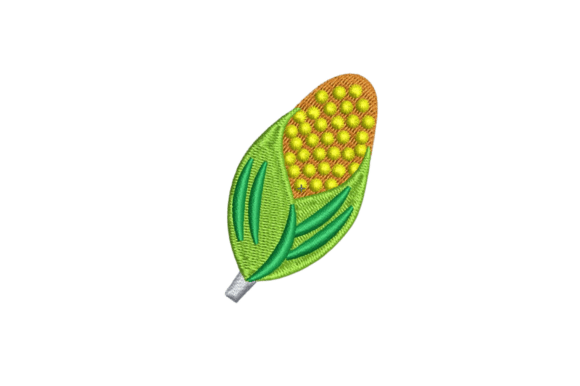
When I first opened the Corn Embroidery Design, I was immediately struck by its warm, autumnal vibe. The design captures the essence of a harvest scene with stylized ears of corn that feel both classic and approachable. It’s not overly detailed, but it has enough character to stand out on fabric without becoming cluttered or overwhelming. As an embroidery designer who works with real-world applications—like custom apparel and handmade gifts—I appreciate how this design balances simplicity with charm.
Visual Mood and Layout
The Corn Embroidery Design carries a cozy, rustic feel that aligns perfectly with Thanksgiving themes. Its layout is generous, allowing for a natural flow across the surface. The corn stalks are arranged in a way that feels organic, as if they’re growing from one another rather than being pasted on. This makes it especially appealing for projects like tote bags or sweatshirts where you want the design to feel part of the garment rather than just an afterthought.
I found the level of detail to be just right—not so intricate that it would require a magnifying glass to stitch properly, but still expressive enough to convey warmth and tradition. The use of satin stitch around the main elements gives it a polished look, while the inner textures are handled with gentle fill stitches. If there were any small lettering or linework, I’d inspect it closely before finalizing a project, but based on the visual structure here, it seems well-suited for most common embroidery tasks.
Real-Life Use Scenarios
Let me walk through a few practical scenarios where this design might show up in my workflow:
- Tote Bag Embroidery: A large-format tote bag is a perfect canvas for the Corn Embroidery Design. The open space allows the design to breathe, and the stitching details remain clear even when viewed from a distance. Customers love these kinds of holiday-themed accessories for carrying groceries or as festive decorations.
- Sweatshirt Embroidery: Placing the design on the chest area of a soft fleece sweatshirt gives it a homey, seasonal appeal. The texture of the fabric can affect stitch clarity, so using a medium-weight stabilizer is key to preventing puckering.
- Embroidered Patch: For those looking to create patches, the Corn Embroidery Design translates well into smaller formats. Just be mindful of stitch density—patches need to maintain their integrity during repeated handling and attachment.
- Baby Clothes or Aprons: While the design is more thematic, it could work subtly on a baby onesie or apron if resized appropriately. In such cases, the focus should shift to clean lines and minimal shading to keep it soft and child-friendly.
- Printable Mockups for Digital Sellers: Etsy sellers and digital product creators will find this design useful for mockups. It adds a touch of authenticity to handmade product listings, helping buyers visualize how it will look on actual items.
Where It Shines
This design performs best on mid to large-sized hoop projects with smooth, stable fabrics. It’s particularly effective for handmade products aimed at the fall season—think kitchen towels, pillow covers, or personalized holiday gifts. Its friendly aesthetic enhances brand consistency for craft businesses offering seasonal merchandise, and it brings a sense of professionalism to boutique-style offerings.
In terms of customer engagement, the Corn Embroidery Design has strong giftability. People often gravitate toward designs that evoke nostalgia or celebrate a meaningful theme. When applied thoughtfully, it can elevate the perceived value of your finished product, whether it's a custom order or a batch of small shop merchandise.
Where to Use with Caution
While the Corn Embroidery Design is versatile, it’s not always the best fit for every project. Here are a few situations where I'd recommend careful evaluation:
- Small Hoop Sizes: Resizing this design too much can cause loss of definition, especially in the areas where fill stitches transition into outlines. Always test on scrap fabric to see how it holds up when scaled down.
- Textured or Stretchy Fabrics: These materials can distort the shape and alignment of the design. Stick to cotton blends or quilting cotton for the clearest results.
- Dark Fabric Backgrounds: The thread colors included may not pop as effectively on darker bases. Consider creating a black-and-white mockup to evaluate visibility before committing to production.
- Curved Surfaces (e.g., Caps or Hats): The Corn Embroidery Design includes some curved elements, which may require extra attention when placing on a cap. You’ll need to adjust the design slightly to match the curvature of the headwear.
- Frequent Washing: If the design is going onto a tea towel or apron, ensure that the thread colors are fade-resistant and that the stitching remains intact after multiple launderings.
Design Notes for Practical Application
As someone who regularly uses machine embroidery designs for client work and retail products, I’ve learned the importance of pre-testing. Before applying the Corn Embroidery Design to a high-value project, I always do the following:
- Test on Scrap Fabric: Especially important for beginners or when using new thread brands. See how the design reacts to your machine and materials.
- Check Thread Color Contrast: Ensure the chosen thread palette complements the base fabric. Darker threads may look better on lighter backgrounds and vice versa.
- Review Stitch Density: Dense areas may cause puckering or stiffness in certain fabrics. Adjust settings if needed to preserve the drape and comfort of the item.
- Confirm Hoop Size: Even though the design isn’t explicitly labeled with recommended dimensions, I always measure the design footprint and compare it to available hoop sizes to avoid last-minute adjustments.
- Inspect Small Details: Look at corners, edges, and transitions between stitch types. These are where things can go wrong if the file isn't optimized.
- Use Proper Stabilizer: Depending on the fabric, I switch between tear-away, wash-away, or cut-away stabilizers. The Corn Embroidery Design benefits from a bit of support, especially in dense sections.
- Verify Licensing: If you're planning to sell finished products or offer digital embroidery files, make sure the licensing allows for commercial use. Otherwise, you risk legal complications later on.
Customer Trust and Branding Value
One of the biggest concerns for craft business owners and Etsy sellers is ensuring that the designs they use on their products reflect quality and care. The Corn Embroidery Design does a good job of supporting this perception. Its cohesive style and thoughtful layout contribute to a professional finish that customers notice and trust.
For branding purposes, this design fits well into collections focused on seasonal themes or nature-inspired motifs. It can also serve as a decorative accent on packaging or tags for small shop products, reinforcing the idea of handcrafted, intentional design.
Final Thoughts for Embroidery Creators
The Corn Embroidery Design is a solid choice for anyone working on autumn-themed projects. It’s not flashy, but it speaks volumes through its subtle warmth and traditional appeal. Whether you're making personalized gifts for clients or updating your holiday embroidery collection, this design can add just the right amount of personality without overcomplicating the process.
That said, treat it like any other machine embroidery design: check compatibility, review stitch paths, and test thoroughly. Every embroidery project is unique, and what works beautifully on one fabric may behave differently on another. Taking the time to understand how this design functions within your specific context will help you deliver consistent, high-quality finished products.
If you're running a craft business or managing a small shop with seasonal inventory, consider incorporating this design into your design assets for upcoming fall collections. It’s a timeless motif that resonates with many, and when executed correctly, it can become a signature element in your line of custom apparel and handmade goods.