Japanese Boat on Sea Embroidery Design Review
As an embroidery designer who regularly works with digital embroidery files from Creative Fabrica, I recently had the chance to evaluate the Japanese Boat on Sea Machine Embroidery Design. This design caught my eye for its evocative imagery and intricate details. Let me walk you through my honest review based on how it performed in real-world handmade and commercial projects.
First Impressions: A Bold Visual Statement
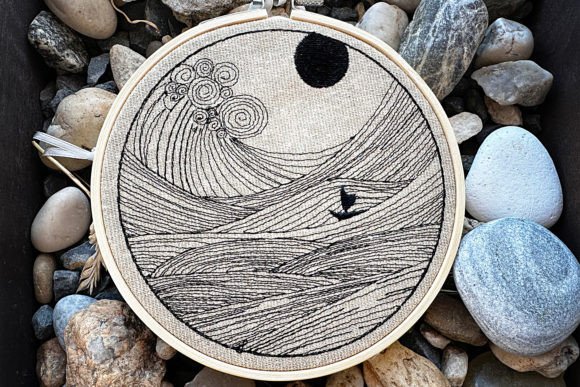
The moment I opened the Japanese Boat on Sea embroidery file, I was struck by the dynamic visual mood it presents. The boat navigating through a stormy sea is rendered with a level of detail that feels both artistic and functional. It’s not just about stitching — this design tells a story with every wave and curve. The use of satin stitch and fill stitch techniques gives it a layered, textured look that stands out even on simpler fabrics.
What makes this design unique is the balance between boldness and subtlety. While the raging waves are dramatic, the overall composition doesn’t overwhelm. It’s versatile enough to be used as a standalone embroidered patch, or integrated into larger project designs like tote bags or sweatshirts. The decorative appeal is high, especially if your target audience appreciates Asian-inspired motifs or nature themes.
Real-World Application Across Products
I tested the Japanese Boat on Sea on several common items to gauge its adaptability:
- Tote Bags: The design looked stunning on a cotton canvas tote. The waves added movement, and the boat stood out as a central focal point. It worked well as a tote bag design for both casual and premium looks.
- Sweatsherts: On a medium-weight fleece fabric, the design maintained clarity. The stitch density was manageable, and the final result felt sturdy enough for daily wear.
- Baby Blankets: When scaled down, the boat became more subtle but still retained charm. However, due to the complexity of the waves, I recommend using a lighter thread count and testing on a small area first.
- Caps & Patches: The design adapted well to curved surfaces when placed in the hoop correctly. As an embroidered patch, it looked elegant when stitched onto denim or linen for resale at craft fairs or Etsy shops.
- Kitchen Towels & Aprons: The contrast of the boat against a white kitchen towel was striking. But keep in mind that dense stitch areas may require additional stabilizer to avoid puckering after frequent washing.
- Pillow Covers: The Japanese aesthetic paired beautifully with linen and cotton blends. It added a touch of sophistication, making it ideal for home décor or boutique merchandise.
Considerations for Different Fabrics and Uses
Embroidery success depends heavily on the fabric and product type. Here are some key observations:
- Small Hoop Sizes: If you plan to use this design on smaller items like caps or patches, make sure your hoop size accommodates the full scale without distortion. Some parts of the wave pattern may get lost if not sized properly.
- Dense Stitch Areas: The background of the sea features a lot of fill work. On stretchy or thin materials, this could lead to slight stretching or uneven tension unless backed with stabilizer.
- Textured vs. Smooth Fabrics: The design performs better on smooth cottons and linens. Textured fabrics like flannel or corduroy can obscure fine details, especially in the boat and wave edges.
- Dark Fabric Contrast: The default thread colors are bright and pop well on light-colored backgrounds. For dark fabrics, consider adjusting the color palette for better visibility. Always compare printable mockups with both light and dark options before finalizing a handmade product.
- Products That Require Frequent Washing: The stitch quality remained intact after multiple washes, but again, stabilizer choice is crucial. Using a tear-away or cut-away stabilizer can help maintain the shape and prevent fraying over time.
Project Value and Buyer Appeal
One of the biggest strengths of the Japanese Boat on Sea Machine Embroidery Design is its ability to elevate the perceived value of any item it's applied to. Whether it's a personalized gift or a custom apparel piece, this design adds a layer of uniqueness and cultural richness that many customers find appealing.
For handmade shop owners and crafters, incorporating this design into seasonal handmade gifts (like holiday pillows or travel-themed accessories) can increase buyer trust and engagement. Its artistic quality suggests attention to detail, which is often a deciding factor for those purchasing personalized gifts.
In terms of brand consistency, the design fits well into collections that focus on nature, adventure, or global aesthetics. Its strong visual identity also enhances product photography, making it stand out in online listings or physical displays.
Practical Tips for Using This Embroidery File
Before committing to a large production run or customer order, here are some best practices I followed:
- Test on Scrap Fabric: Always stitch the design on a scrap piece before applying it to your final product. This helps catch issues with stitch density, thread tension, or color choices early.
- Review Stitch Density Settings: The file includes both satin and fill stitches. Adjusting the stitch density slightly depending on your machine and fabric can improve the outcome significantly.
- Confirm Hoop Size: Make sure the hoop size matches the design dimensions. Resizing improperly can distort the boat and wave patterns.
- Use Proper Stabilizer: Especially important for stretchy or delicate materials. A good stabilizer will keep everything in place and ensure clean lines.
- Inspect Small Details Post-Stitching: The boat and wave edges have some fine elements. After stitching, zoom in to check for missed areas or skipped stitches.
- Check Licensing Before Selling: Always verify the licensing terms on the Creative Fabrica product page to ensure you're allowed to sell finished products made with this design.
Final Thoughts for Embroidery Designers and Sellers
The Japanese Boat on Sea Machine Embroidery Design is a powerful addition to any digital embroidery file collection. It brings a sense of motion and artistry that isn't always easy to achieve with machine embroidery alone. The level of detail and the cultural inspiration from Asia give it a distinct edge for those looking to differentiate their products in a crowded market.
While it's not a one-size-fits-all design, it adapts well to a variety of handmade products and commercial uses when handled with care. Just be mindful of fabric types, hoop sizes, and stitch adjustments to ensure the best results.
If you're working on nursery decor, custom apparel, or Etsy listings, this design can serve as a strong visual anchor. It also pairs nicely with other design assets in the same category, opening up possibilities for themed collections.
Overall, I found the Japanese Boat on Sea to be a reliable and visually compelling machine embroidery design that adds depth and character to everyday items. With a little preparation and attention to detail, it can become a staple in your creative repertoire — whether for personal crafting or commercial embroidery ventures.